

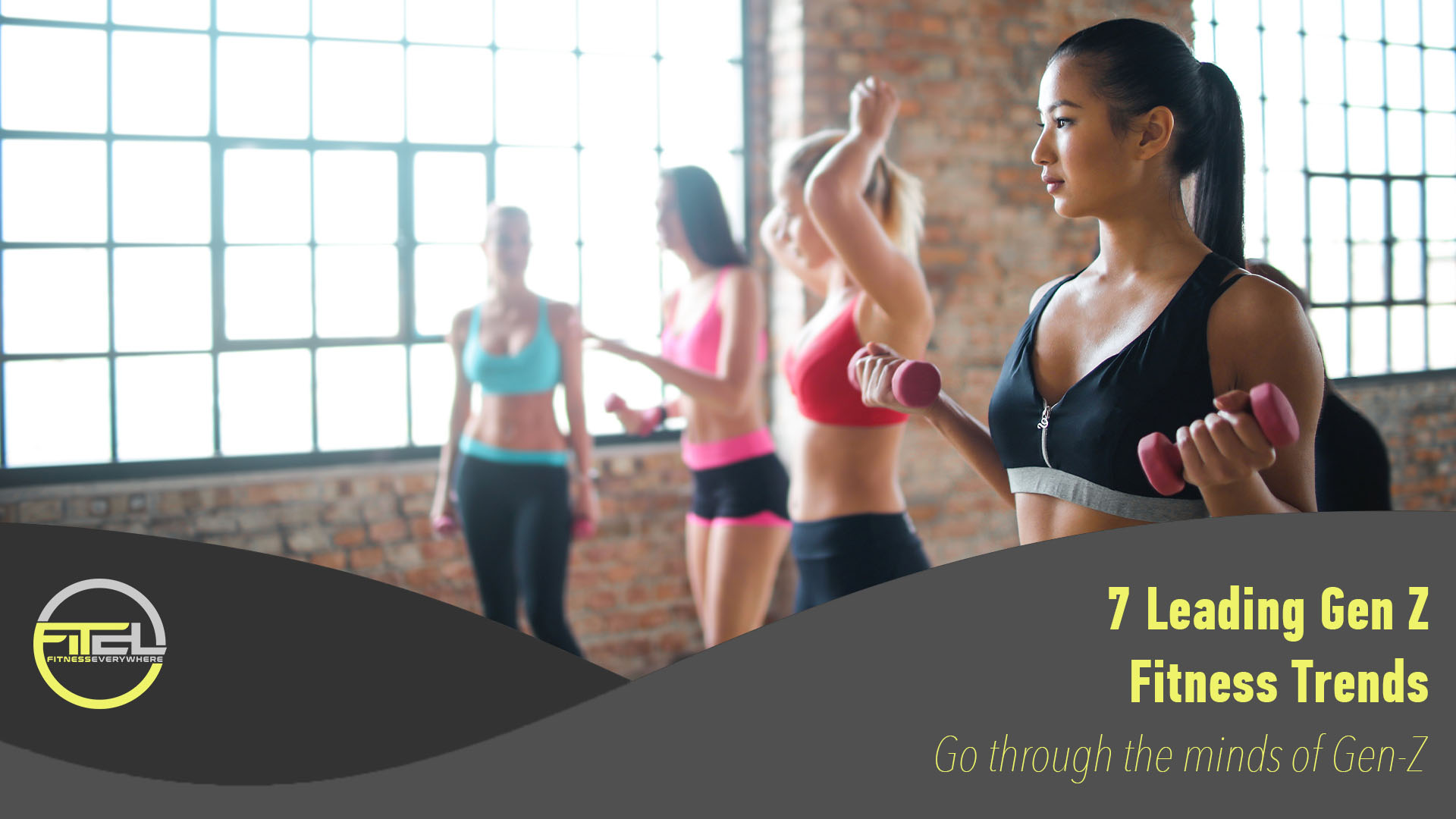
Gen Z: 7 Leading Fitness Trends
Welcome to the world of Gen-Z, a generation where fitness and wellness have evolved into a way of life rather than a fleeting trend. Recent studies have shown a remarkable surge in fitness engagement among young adults aged 18 to 24, highlighting their commitment to health. With nearly 50% of Gen-Zers exercising multiple times a week, well above the general population’s average, it’s crucial to understand the driving forces behind this movement and how businesses can effectively tap into this burgeoning fitness marketplace.
1. Embracing Health-Consciousness and Social Media Influence
Gen-Z stands out for its remarkable health-consciousness compared to previous generations. The proliferation of social media has further fueled this trend, offering easy access to fitness influencers and health information. To cater to this, businesses should stay updated on the latest fitness trends and create tailored experiences to engage this health-savvy audience.
2. Convenience is Key: In-Person and At-Home Workouts
Convenience and flexibility are paramount for Gen-Z. About 40% of them prefer both gym and at-home workouts. Businesses should offer versatile options that accommodate diverse preferences. By highlighting the convenience and flexibility of their services, businesses can attract and retain Gen Z clients seeking adaptable fitness solutions.
3. The Rise of Digital Fitness Platforms
The surge in technology adoption has made digital fitness platforms immensely popular among Gen-Z individuals. A staggering 94% of Gen Z fitness enthusiasts believe fitness apps can improve their health. Many also own home gym setups with products like Peloton, reflecting the need for tailored digital workout experiences. Fitness businesses can capitalize on this trend by integrating their offerings with the equipment Gen Zers already possess.
4. Embracing Wearable Fitness Tracking Devices
Wearable technology, including fitness trackers and smartwatches, has become an integral part of Gen Z’s fitness journey. These devices not only monitor physical activity but also track crucial health metrics. Businesses can enhance client experiences by incorporating wearable fitness tracking technology, thereby personalizing their fitness journeys.
5. Diverse Workout Preferences: Variety is Vital
Gen Z is known for embracing a diverse range of fitness activities. From weightlifting and strength training to aerobic exercises and group classes like yoga, this generation seeks versatility. Businesses should offer a broad spectrum of fitness classes to keep Gen Z clients engaged and motivated.
6. Prioritizing Mental Health and Well-Being
Mental health holds paramount importance for Gen-Z, especially after the challenges posed by the pandemic. With a significant percentage battling mental health conditions, businesses should go beyond physical fitness and offer mind-body practices like yoga and meditation. Establishing a supportive community and providing resources can foster holistic wellness.
7. Sustainability and Plant-Based Lifestyles
Gen-Z is deeply committed to sustainable living and plant-based diets, making eco-friendly choices a priority. Businesses that align with these values should do so genuinely and transparently. By incorporating eco-friendly practices, such as offering sustainable products and promoting plant-based diets, businesses can resonate with Gen-Z’s environmental consciousness.
8. Leveraging Social Media Influence
Gen-Z’s presence on social media, particularly Instagram and TikTok, offers businesses a powerful platform to engage with this tech-savvy generation. Fitness influencers have gained substantial followings by sharing workout routines, healthy recipes, and fitness tips. Businesses can leverage social media for brand promotion, partnering with influencers, and building a personalized connection with their audience.
In conclusion, the fitness landscape for Gen Z is marked by their unique preferences, values, and digital savviness. Businesses aiming to thrive in this space must adapt to these trends, catering to convenience, embracing technology, supporting mental well-being, and aligning with sustainability. By staying attuned to Gen Z’s evolving demands and leveraging their digital presence, fitness enterprises can effectively capture the attention and loyalty of this dynamic generation.
source: https://www.wellnessliving.com/